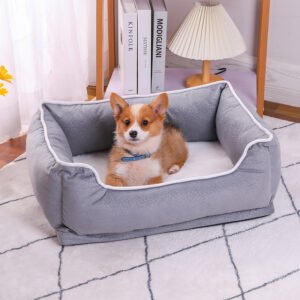
In today’s era of globalized trade, an increasing number of pet supply retailers, wholesalers, and e-commerce sellers are turning their sourcing attention to China—the world’s largest pet product manufacturing hub. According to industry data, over 70% of global pet supplies are produced in China, with Ningbo, Zhejiang Province, being renowned as the “Pet Products Capital of China,” home to thousands of professional manufacturers. For businesses looking to expand their product lines, reduce sourcing costs, and enhance competitive advantage, importing pet supplies from China represents a strategically significant choice. However, facing the overwhelming amount of supplier information available online, how to verify authenticity, ensure quality, and control risks has become a core issue every buyer must address. This comprehensive guide will walk you through the entire pet supplies wholesale sourcing process, helping you establish a stable and efficient supply chain from scratch.

Why Source Pet Supplies from China
Choosing to source pet supplies from China is not a blind trend but a well-considered business decision. China’s pet product manufacturing industry has developed over decades, forming a complete industrial ecosystem covering the entire chain from raw material supply, product design, mold development, manufacturing to packaging and shipping. In terms of production costs, Chinese factories leverage mature supply chain networks, abundant labor resources, and scale effects to offer highly competitive pricing—extremely attractive for wholesalers and retailers pursuing maximum profit margins. Simultaneously, Chinese manufacturers’ technical capabilities continue to improve, with more factories obtaining international certifications like ISO9001 Quality Management System, CE certification, and FDA registration, achieving product quality comparable to European and American brands.
Beyond cost and quality advantages, Chinese suppliers also possess exceptional customization capabilities. Whether OEM (Original Equipment Manufacturer) or ODM (Original Design Manufacturer) services, Chinese factories can quickly produce samples and mass-produce according to client specifications. This flexible response mechanism is particularly suitable for retailers and e-commerce store owners seeking differentiated competition and unique product lines. Taking pet carrier backpacks as an example, from simple nylon materials to premium breathable crash-proof designs, from basic styles to smart versions with music playback functions—Chinese factories offer diverse options. Moreover, many factories support low minimum order quantities (MOQ as low as 100-500 pieces), significantly reducing trial costs and inventory risks for new sellers.
From the perspective of supply chain stability, China’s pet product industry has established mature logistics systems and trade facilitation mechanisms. Major ports like Ningbo, Shanghai, and Guangzhou ship containers globally daily, with established freight forwarding networks providing one-stop services from booking and customs clearance to destination country processing. Even in today’s uncertain global trade environment, Chinese suppliers maintain relatively stable supply rhythms due to strong manufacturing resilience and flexible capacity allocation—important guarantees for wholesalers pursuing long-term cooperation.
Target Keyword Strategy and Search Intent Analysis
Precise keyword strategy is fundamental for Google indexing and ranking when creating sourcing guide content. By analyzing target customer search behavior, we’ve identified several core keyword directions corresponding to buyers’ information needs at different decision stages.
Primary Keywords:
- Pet supplies wholesale
- China pet product supplier
- Pet supplies manufacturer
- Wholesale pet supplies from China
Long-tail Keywords:
- Pet supplies OEM manufacturing
- Private label pet products
- China pet toy supplier
- Dog bed wholesale supplier
- Pet carrier manufacturer
Question-based Keywords (Featured Snippet Opportunities):
- How to import pet supplies from China
- What is OEM and ODM in pet products
- How to find reliable pet product suppliers
- Minimum order quantity for pet supplies wholesale
These keywords naturally integrate into different sections of the article, satisfying both search engine crawling needs and ensuring readers enjoy a smooth reading experience.
Core Standards and Evaluation Methods for Supplier Selection
Finding suitable suppliers is the first step to successful sourcing, but with overwhelming advertising information and B2B platform data online, efficiently screening truly reliable factories has become a technical challenge.
1. Qualification and Compliance Assessment
The first evaluation dimension is supplier qualifications and compliance. Legitimate pet product manufacturers should possess basic qualifications like business licenses and import/export rights. For products targeting specific markets (such as the US or EU), verify whether factories hold corresponding certifications—ISO9001, CE marking (European market), FCC certification (US market), etc. For suppliers claiming certification, always request original certificates or verify through official channels—never make decisions based solely on certificate images provided by the supplier.
2. Production Capacity Evaluation
Production capacity is another crucial evaluation dimension. This includes hardware indicators like factory area, employee count, monthly production capacity, and equipment sophistication, as well as soft factors like R&D capability and QC (Quality Control) process completeness. For first-time cooperation, request factory photos or videos; if possible, engage third-party inspection agencies for factory audits. During communication, assess the supplier’s industry experience by asking professional questions—for example: “Do your pet bed filling materials comply with US ASTM standards?” or “Have your pet carrier products passed pet safety-related load tests?” Professional and detailed responses typically indicate strong industry accumulate.
3. Price Negotiation Strategies
Price negotiation is a sensitive aspect of the sourcing process, but excessively low prices often hide risks. When negotiating with suppliers, request detailed cost breakdowns including raw material costs, processing fees, packaging, and shipping—this facilitates comparing quotes reasonably and positions you advantageously in negotiations. Simultaneously, be alert to “low-price traps”—some suppliers attract customers with extremely low quotes but compromise on materials or quality during actual production. Recommend combining price negotiation with quality verification; confirm sample quality meets requirements before mass production. Additionally, understanding pricing mechanisms is important—inquire whether they accept tiered pricing, offer long-term cooperation discounts, or how they handle currency fluctuations.
Product Category Selection and Market Positioning Strategy
Pet supplies encompass extremely rich product categories—from pet food, toys, and apparel to travel equipment and home products. For buyers entering the pet supplies wholesale field for the first time, carefully considering how to select appropriate product categories for market entry is crucial. From market sales data, while pet food and healthcare products have strong demand and higher margins, entry barriers are correspondingly higher, requiring suppliers with stricter qualification certifications and quality control capabilities. In contrast, pet accessories (leashes, harnesses, collars), pet toys, beds, and carriers have relatively lower entry barriers, making them more suitable for novice buyers as starting categories.
When selecting specific products, adopt a “differentiated competition” approach. Avoid overly homogenized generic products like common nylon leashes or basic pet beds—these face fierce market competition, transparent pricing, and limited profit margins. Instead, focus on products with design innovation, functional upgrades, or material differentiation—for example, pet beds with antibacterial fabrics, multi-functional pet carrier backpacks, or eco-friendly pet toys. While slightly higher in price, these products’ uniqueness helps retailers establish competitive advantages, and consumers often pay premiums for differentiated value.
Product mix planning also affects store competitiveness. An ideal sourcing structure should balance “traffic products” and “profit products.” Traffic products are generally recognized, price-sensitive categories like basic pet toys or universal leashes—they attract price-sensitive consumers. Profit products are items with unique designs, special functions, or brand premiums—custom logo pet gift sets, premium material pet beds, etc.—which may have lower sales volume but greater margin contribution. When communicating with suppliers, explore mixed-order possibilities—within MOQ requirements, freely combine different categories—to reduce single-category inventory pressure while enriching the product portfolio.
Deep Dive into OEM and ODM Services
For retailers and e-commerce sellers wanting to establish their own brands, OEM and ODM services are important pathways to achieve product differentiation. The difference: OEM (Original Equipment Manufacturer) means the buyer provides product design plans or specifications, and the factory produces according to requirements—product brands belong to the buyer. ODM goes further; factories not only handle production but also provide product R&D services—buyers can select or modify from existing factory designs. In short, if buyers have design capabilities and want full control over product development direction, OEM is more suitable; if buyers lack design resources and want to leverage factory R&D capabilities to quickly launch products, ODM is the better choice.
The OEM cooperation process typically includes these key stages:
1. Requirement Confirmation
Buyers need to clarify core elements like functional requirements, material specifications, packaging design, target market, and compile them into detailed Technical Specification Sheets (Spec Sheets).
2. Sample Confirmation
Factories produce samples based on specifications; buyers evaluate samples and provide feedback if modifications are needed until samples fully meet requirements. This stage is crucial—sample confirmation directly determines quality standards for mass production.
3. Contract Signing
After sample confirmation, both parties sign formal purchase contracts, clearly specifying order quantity, unit price, delivery timeline, payment terms, quality standards, inspection methods, liability for breach, and other terms.
4. Mass Production and Shipping
Factories produce mass quantities according to confirmed samples and contract agreements. Pre-shipment inspections are generally conducted before shipping; after passing, logistics arrangements follow.
When selecting OEM/ODM service providers, beyond production capacity and quality control, focus on evaluating design R&D capabilities and supply chain integration. Excellent ODM factories typically have professional design teams providing design suggestions based on market trends and customer needs; some factories proactively invest in R&D, launching innovative products for client selection. Additionally, one-stop service capability is important—for example, whether they support material procurement, packaging design and printing, export customs clearance, and logistics transportation. Full-process service capabilities significantly simplify buyer workload and reduce coordination costs.
Quality Control and Risk Prevention
Quality is the foundation of business cooperation, especially in the pet products field—product quality directly relates to pet safety. Quality issues can lead to customer complaints, brand reputation damage, or even legal disputes. Therefore, establishing a comprehensive quality control system is essential for buyers.
Before mass production, the priority is confirming “Top Samples”—samples confirmed by both parties serve as quality reference standards for mass production. All mass-produced items must match Top Sample quality. Mark samples with dates, signatures, retained quantities, and store properly for potential future disputes. During production, based on order value and risk levels, consider engaging third-party inspection agencies for During Production Inspection (DPI) to discover and correct potential quality issues promptly.
After mass production but before shipping, Pre-shipment Inspection (PSI) is mandatory. Professional QC personnel conduct inspections according to AQL (Acceptable Quality Level) standards, focusing on product appearance, functionality, safety, and packaging integrity. For important orders, recommend withholding 10-20% of payment until quality is confirmed after receipt—to constrain suppliers to handle potential quality issues properly.
Risk prevention is also reflected in complete contract terms. Purchase contracts should clearly specify product quality standards, inspection methods, inspection agency selection, liability for breach, and claim procedures. Adopt internationally accepted trade terms (like FOB, CIF) to clarify buyer-seller responsibility boundaries, and include force majeure clauses. For first-time cooperation, start with small orders, establish trust, then gradually expand cooperation scale. Additionally, buyers should pay attention to target market regulations—for example, EU REACH regulations, US CPSIA children’s product safety regulations—ensuring sourced products comply with local regulations to avoid detention or recall due to compliance issues.
Logistics, Shipping, and Cost Optimization Strategies
Logistics costs are a significant component of total import costs. Reasonably planning logistics solutions can effectively reduce overall sourcing costs and improve capital turnover.
Ocean Freight
Ocean freight is the most economical bulk shipping method, suitable for large-volume pet supply imports with high value and size. For example, freight from Ningbo Port to Los Angeles Port typically ranges from $1,500 to $3,000 per 40-foot container (specific prices affected by market supply/demand, fuel surcharges, peak/off-peak seasons). However, ocean freight has drawbacks—longer transit times (generally 20-40 days), requiring advance procurement planning and sufficient inventory buffer.
Air Freight
Air freight suits small quantities, high-value, time-sensitive emergency replenishment. Although unit prices far exceed ocean freight, transit times are only 3-7 days. For seasonal sales hotspots, air freight ensures timely product listing and captures market windows. In practice, many buyers adopt a “ocean freight primary, air freight supplementary” strategy—regular products shipped in bulk via ocean to control costs, while best-selling styles or urgently needed items replenished via air.
Cost Optimization Tips:
Strategies for Building Long-Term Cooperative Relationships
Sourcing is not just simple buying and selling—it’s building business partnerships. Establishing long-term stable relationships with quality suppliers brings strategic advantages: more favorable pricing, priority production scheduling, better technical support, and flexible emergency response.
Trust is the Foundation
Whether for suppliers or buyers, honoring contract agreements, making timely payments, and maintaining honest communication are premises for building trust. During cooperation, problems like price fluctuations, capacity tightness, or quality variations may arise—addressing them with proactive cooperative attitudes often better maintains long-term relationships than mere blame or complaints.
Information Sharing Deepens Cooperation
Buyers can regularly share market dynamics, sales data, and product feedback with suppliers, helping them better understand market trends for more accurate product development and capacity planning. Conversely, buyers can request suppliers share product planning, technical innovations, and raw material price trends to adjust sourcing strategies promptly.
Strengthening Partnership Bonds
Beyond daily business cooperation, strengthen partnership adhesion through: inviting suppliers to product launches or industry exhibitions; providing reasonable payment terms to ease their capital turnover; establishing executive dialogue mechanisms for regular strategic communication. Contract terms can also incentivize long-term cooperation—for example, volume-based rebate mechanisms after reaching annual purchase targets, or tiered pricing offering better rates for longer cooperation periods.
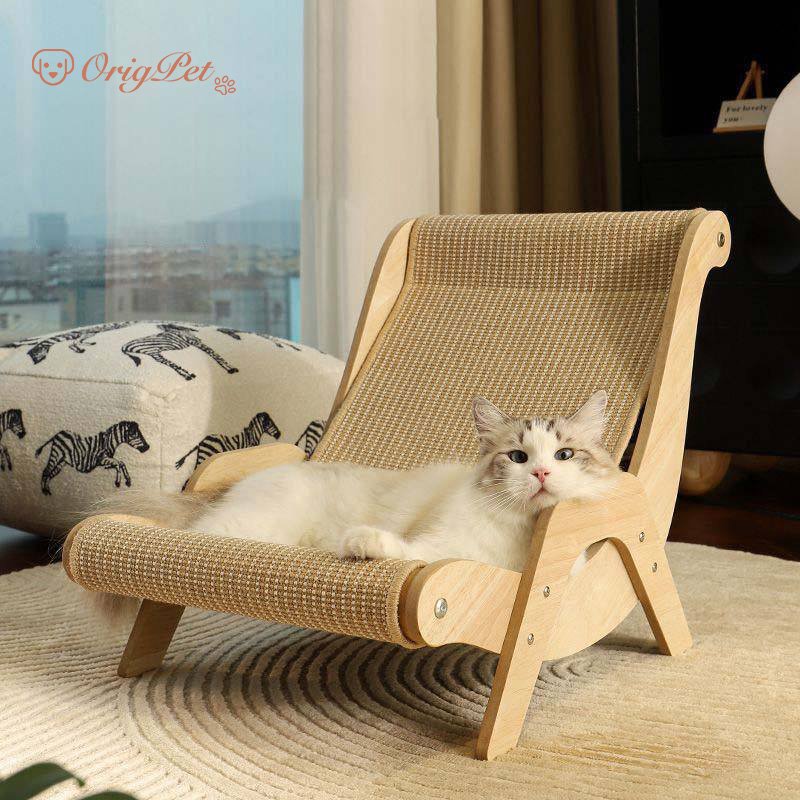
Conclusion and Actionable Recommendations
Sourcing pet supplies from China is a systematic project involving supplier screening, quality control, cost accounting, logistics, and compliance management. This comprehensive guide covers core essentials from why choose Chinese suppliers, how to evaluate and screen suppliers, OEM/ODM cooperation processes, quality control methods, logistics cost optimization, to long-term relationship building—providing a complete practical guide for wholesalers, retailers, and e-commerce sellers.
Recommended Next Steps:
The pet supplies market is experiencing rapid growth. We hope every practitioner finds their development path and together provides quality products and services for pet owners globally.